
Baking Easter Cakes in a Professional Oven: A Guide for Bakeries and Pastries

Easter and Passover: A Season That Requires Special Preparation
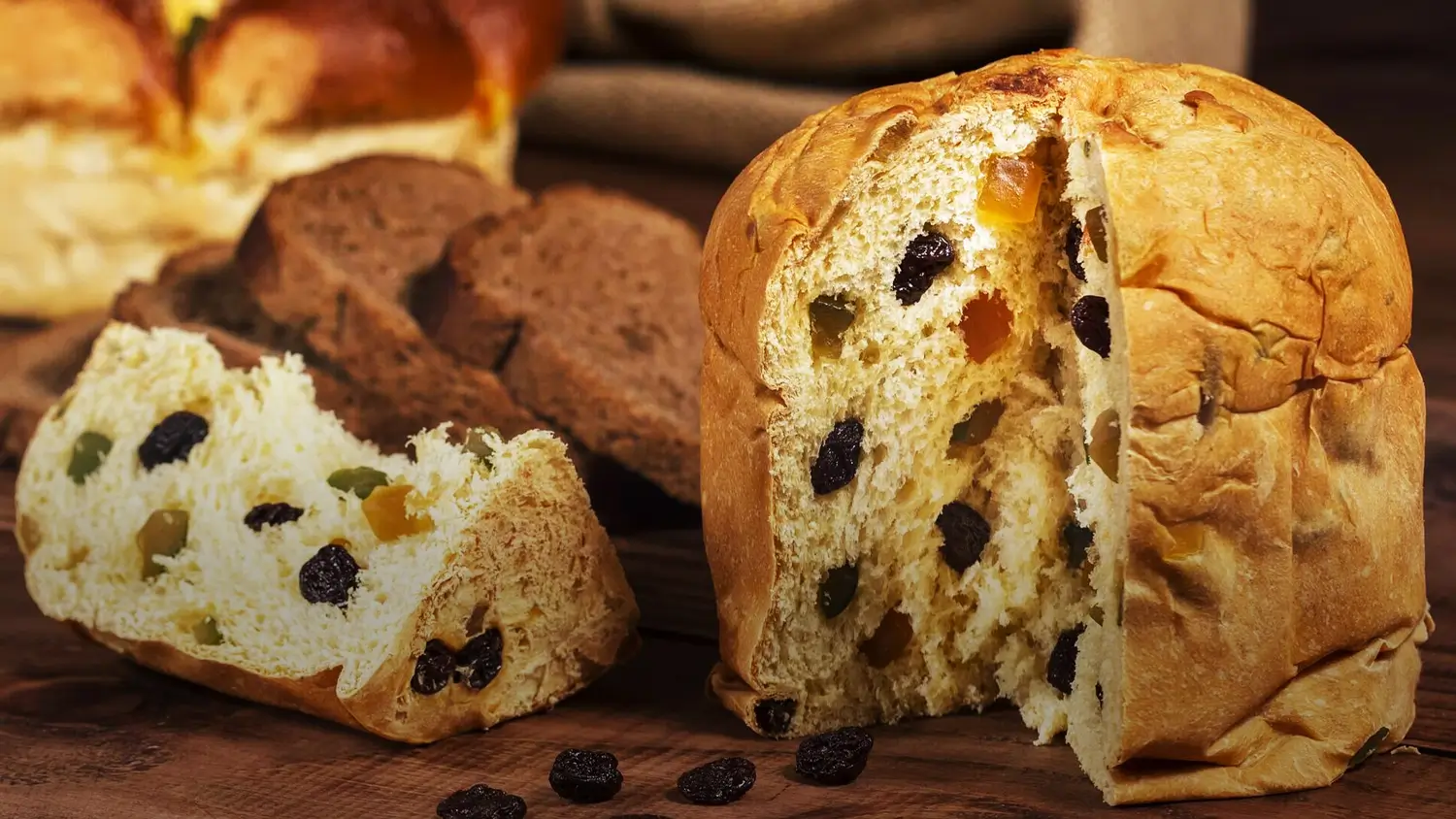
The glorious Easter holiday is one of the most special and anticipated times in Georgia. Families traditionally prepare for the Easter table, the main highlight of which is Paska — a sweet, fragrant loaf that symbolizes Mount Golgotha and expresses faith in the Resurrection of Christ. Along with red eggs and jejili, Paska is an unchanging part of the festive tradition.
For bakeries, confectioneries and HoReCa establishments, this period is one of the most intense and busy seasons of the year. The demand for Easter cakes is growing dramatically, which requires businesses not only to use the highest quality ingredients and sophisticated recipes, but also to have the right, reliable and highly productive baking equipment . It is in this context that the role of professional convection ovens becomes crucial.
In this article, we will discuss in detail how to prepare your bakery for the peak season, which equipment and accessories you will need, and why INOXCLASS and MODULAR convection ovens are the best investment for mass and quality bakery production.
Why is a convection oven the best for baking Easter eggs?
Baking a paska is one of the most difficult and responsible processes in the confectionery business. The yeast-based, sweet and fat-rich dough requires a stable temperature, perfectly even heat distribution and precise humidity control. Unlike standard, static ovens, a convection oven distributes hot air continuously and evenly throughout the entire volume of the chamber using powerful fans. This means that your paska will be perfectly baked on all sides — eliminating the possibility of a product that is underbaked on one side or overly dried/burnt.
Another critically important advantage of a convection oven is the humidification (steaming) system . Proper humidity management is vital when baking a pastry: too much dryness dries out the surface, creating a rough crust and preventing the dough from fully rising; while too much moisture creates an undesirable, sticky texture. The integrated steam systems in INOXCLASS and MODULAR ovens precisely regulate humidity, giving the pastry its famous, soft and fluffy interior and a golden, shiny surface.
Advantages of a convection oven when baking Easter cakes
| Advantage | Description and result |
| Even heat distribution | Hot air circulation ensures even baking on all sides of the cake. |
| Steam injection system | Ensures proper dough rising, a fluffy texture, and a golden crust. |
| Precise thermostatic control (0–300°C) | Allows for perfect temperature adjustment for each unique recipe. |
| High capacity (4–10 trays) | Increases productivity — it is possible to bake a large number of products at the same time. |
| High energy efficiency | A double-glazed insulated door minimizes heat loss and saves electricity. |
INOXCLASS Convection Ovens — Turkish Quality for Georgian Bakeries
INOXCLASS convection ovens are high-quality baking equipment manufactured in Turkey, ideally suited for mass production of paska, khachapuri, bread, cookies, puff pastries and other confectionery products. GN Industrial ‘s platform (gn.ge) offers a diverse range of INOXCLASS ovens with capacities from 4 to 10 langrams, allowing you to choose a model tailored to the scale of your business.
1. INOXCLASS 4-plate model
An ideal choice for small and medium-sized bakeries, cafes and restaurants.
- Features: Internal dimensions are designed for standard 60×40 cm trays. Equipped with a stainless steel (Inox) body, 0-280°C thermostatic control and a heat-retaining double glass door.
- Advantage: It has an automatic addition mode, which ensures professional baking of the cake.
- Specifications: Power — 6.7 kW; Power supply — 220V/380V.
2. INOXCLASS 6-Tray Model — with Double Insert System
This model is a bestseller for medium-sized bakeries and features an innovative dual steam system (mechanical and automatic addition).
- Features: This feature is invaluable when baking Easter cakes, as it allows you to adjust the humidity precisely according to the recipe’s specifications.
- Advantage: The ability to bake 6 trays at the same time significantly increases the bakery’s productivity during peak season days.
- Specifications: Temperature range 0-280°C; Power supply — 380V/220V.
3. INOXCLASS 10-Tray Model — Maximum Performance
For large-scale production and chain bakeries, the 10-tray model is an alternative solution.
- Features: 10 60×40 cm baking trays guarantee baking dozens of pastries in one cycle.
- Advantage: The model is available in both electric and gas versions (e.g. INOXCLASS D10EG — gas consumption: 1.75 m³/h), which is an excellent way to optimize commercial costs. Equipped with thermostatic control and mechanical insert.
-
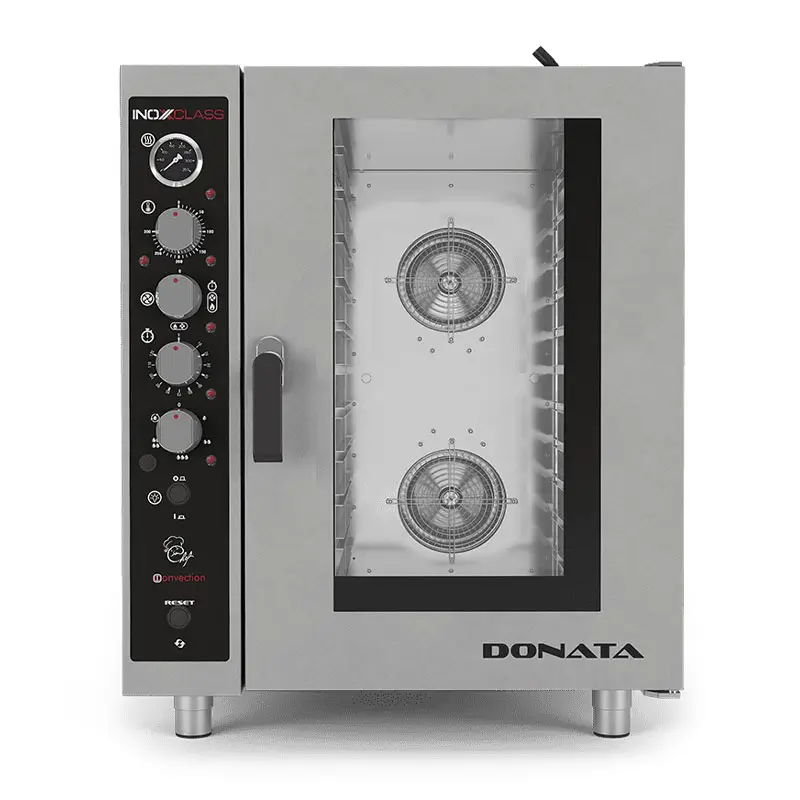
INOXCLASS convection oven – with mechanical insert
7940,00 ₾ -

INOXCLASS convection oven – 15 kW
7940,00 ₾ -
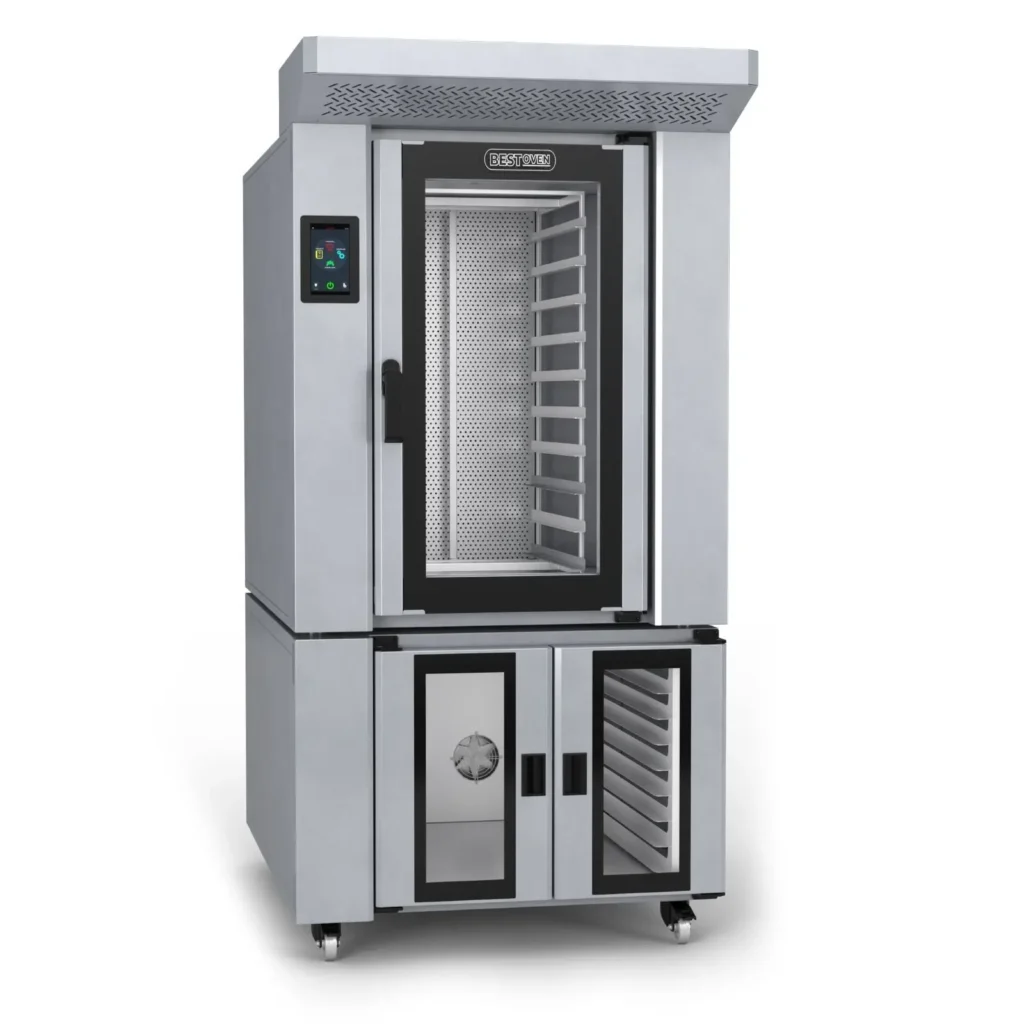
INOXCLASS rotary oven and dough hook – with touch control
18700,00 ₾ -
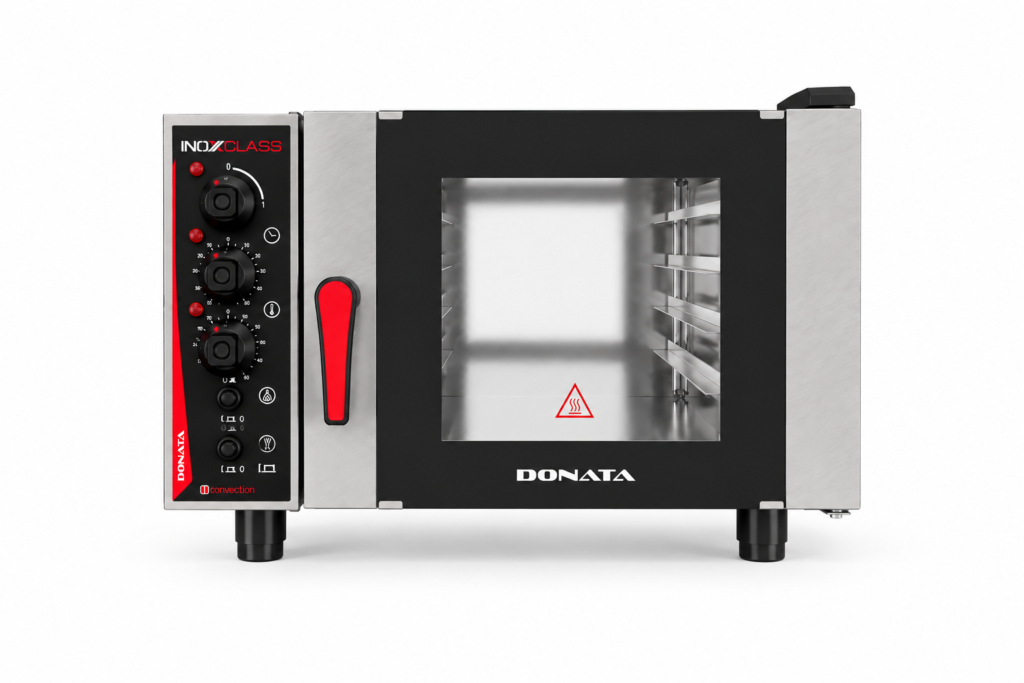
Electric convection oven INOXCLASS
4360,00 ₾ -
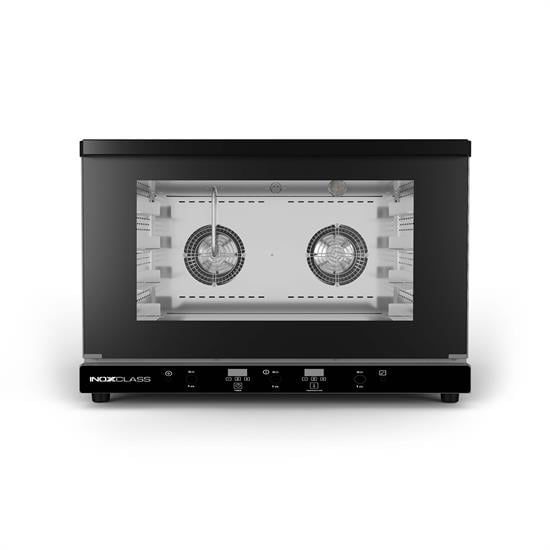
Convection oven D04EFD INOXCLASS
4230,00 ₾ -
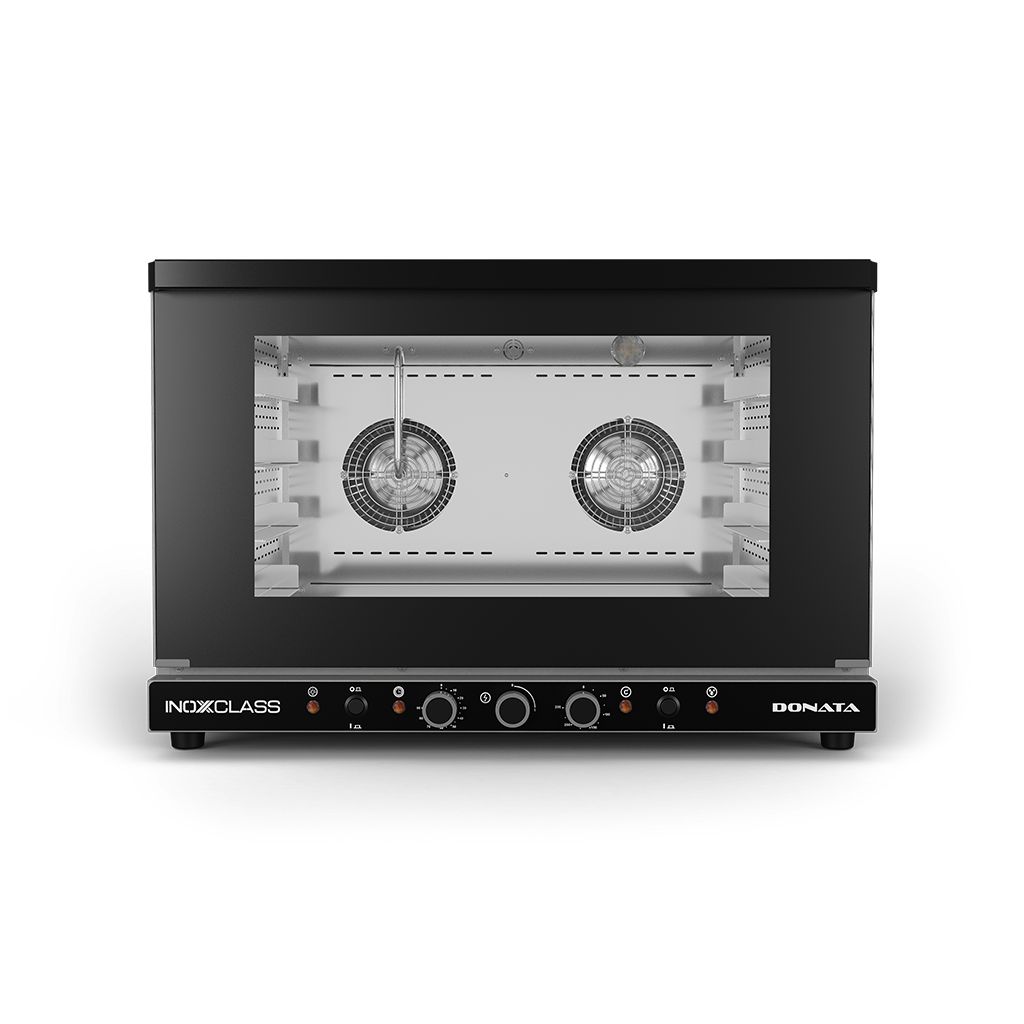
Convection oven D04EFD INOXCLASS
4180,00 ₾ -
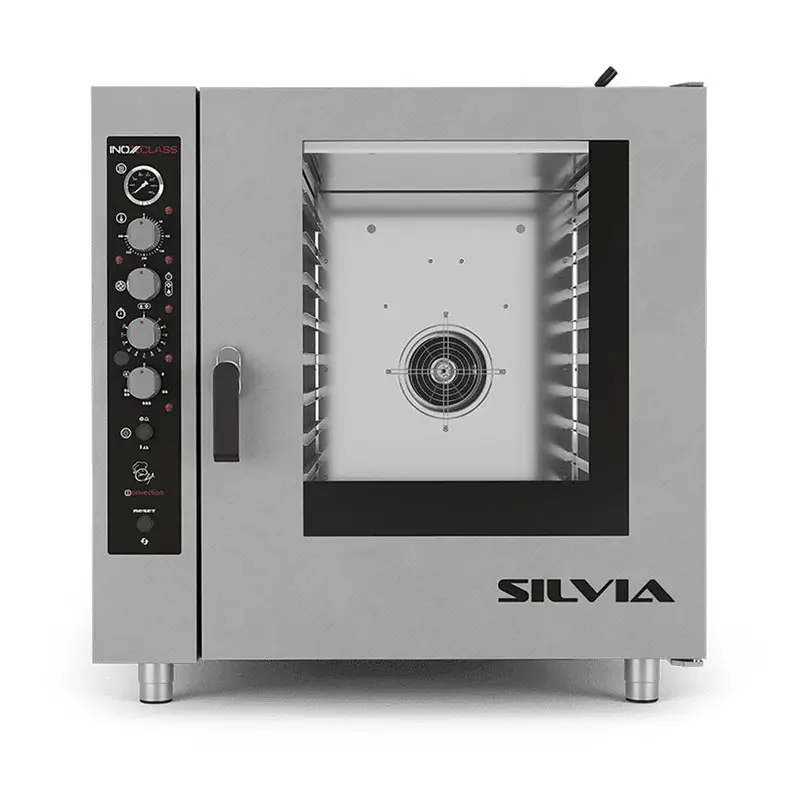
Convection oven INOXCLASS
6340,00 ₾ -
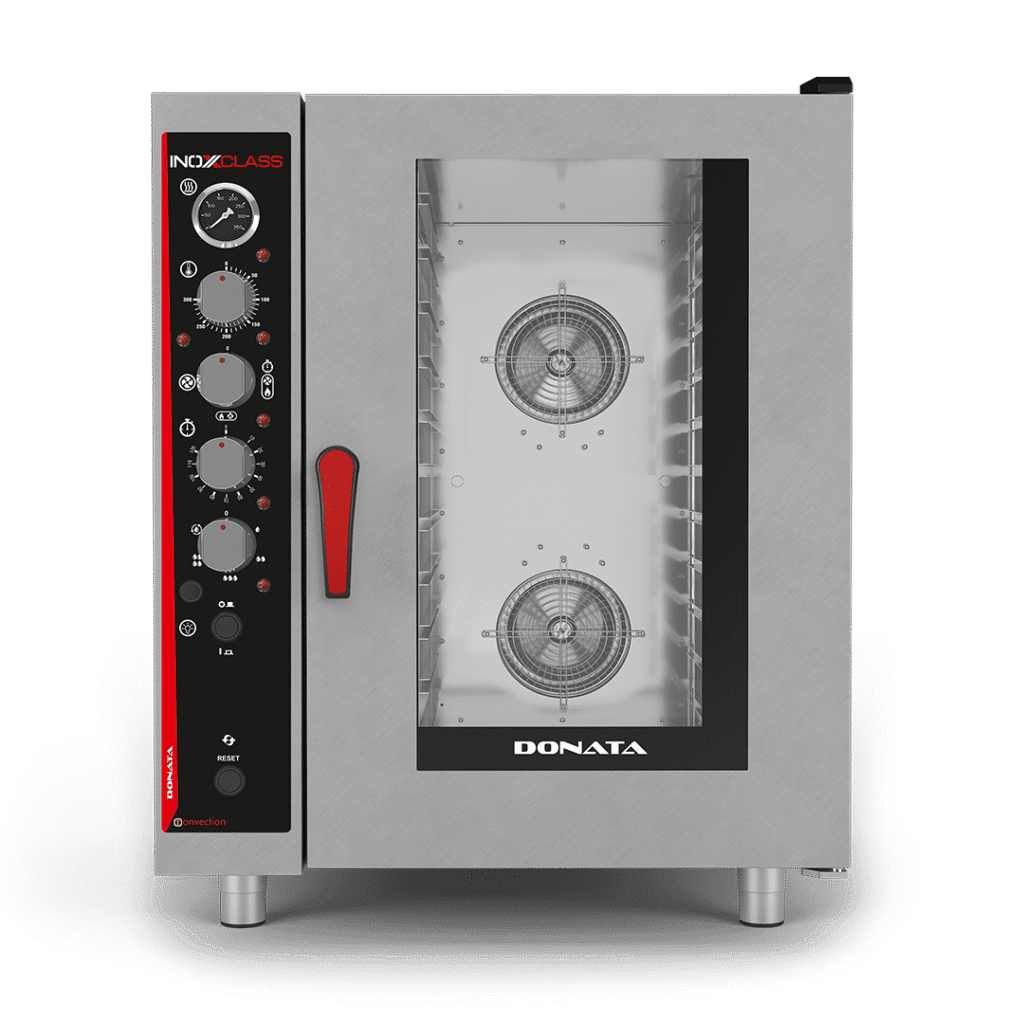
Convection oven on gas D06EG INOXCLASS
7960,00 ₾
MODULAR convection ovens — European quality for the premium segment
MODULAR convection ovens are premium-class appliances of European (Italian) production. They are designed with high durability, exceptional precision and innovative technologies. These ovens are intended for professional bakeries and confectioneries where there is no compromise on quality and stability.
MODULAR models such as the BEU664 (6 trays, 600×400 mm) and BEU1064 (10 trays) feature a modern electromechanical control panel, which makes operation as intuitive as possible.
-
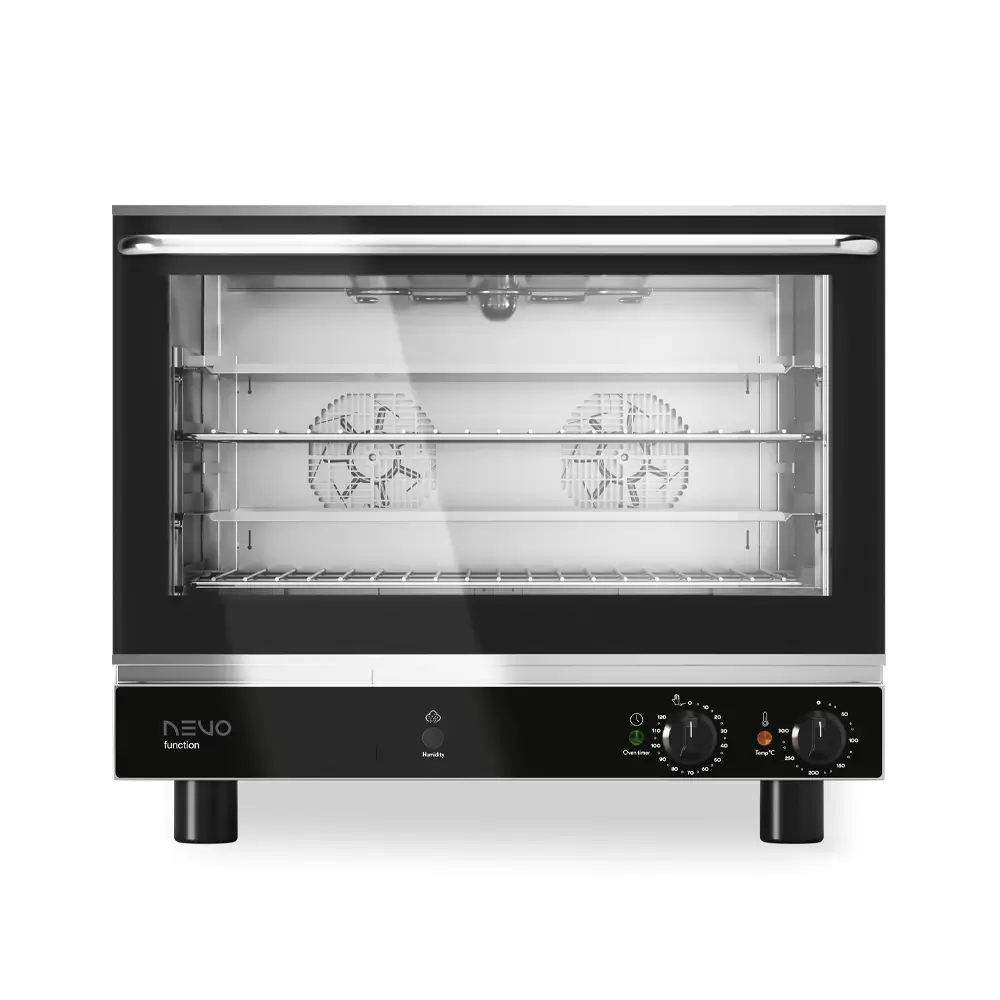
Convection oven MODULAR BERU464
3930,00 ₾ -
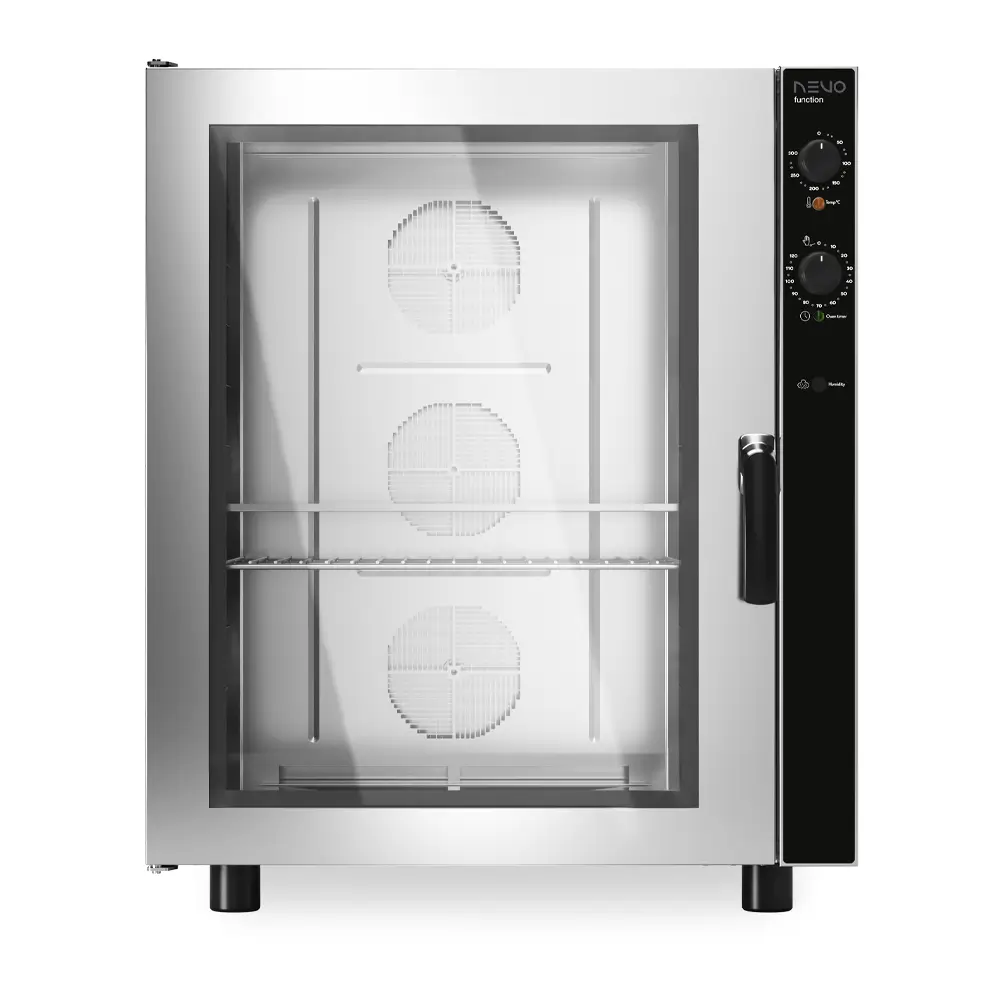
Convection oven MODULAR BEU1064
8170,00 ₾ -
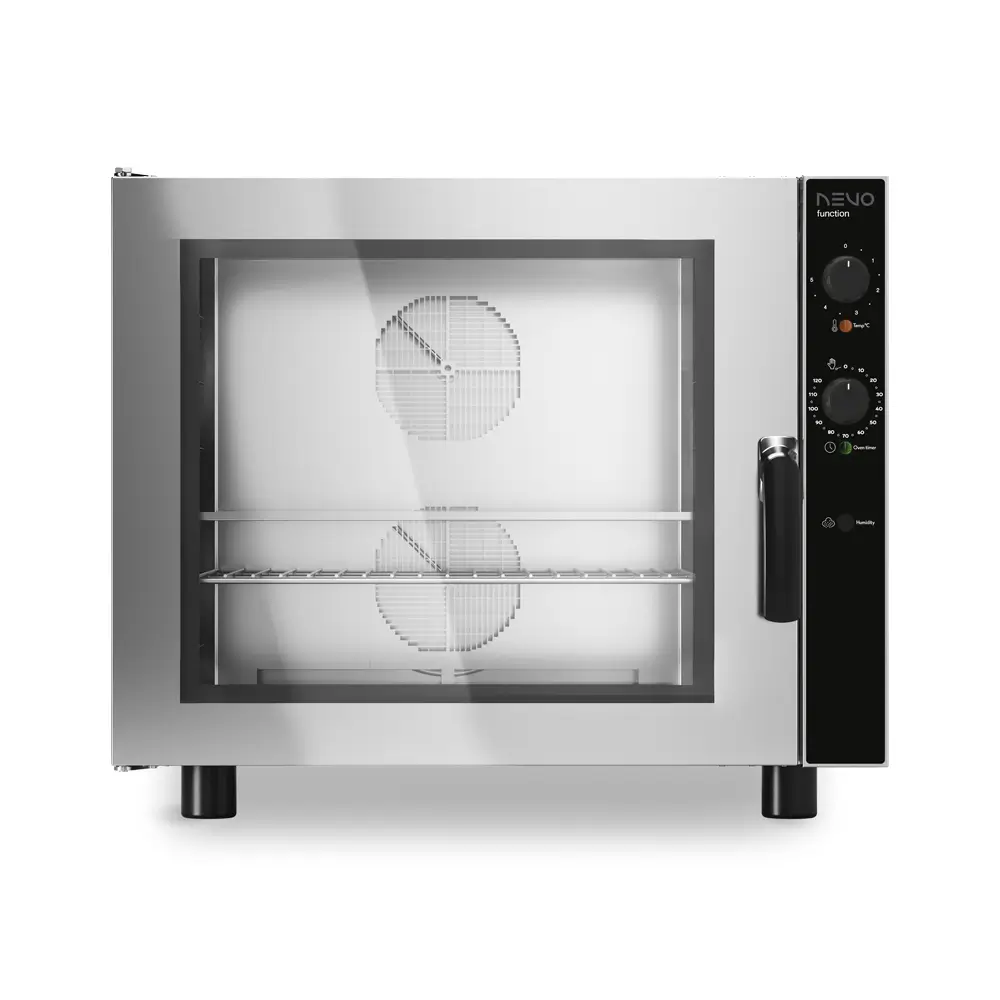
Convection oven MODULAR BEU664
6560,00 ₾
INOXCLASS vs MODULAR: Which brand to choose?
To help you make the right choice for your business, we offer a comparison of the key features of both brands:
| Parameter | INOXCLASS | MODULAR |
| Country of manufacture | Turkey | Europe (Italy) |
| Tray capacity | 4, 6, 10 | 4, 6, 10 |
| Type of steam | Manual, automatic | Mechanical |
| Power range | 6.7 – 13 kW | 9.3 – 15.8 kW |
| Availability of a gas version | Yes (D10EG model) | No |
| Price segment | Budget / Affordable | Premium class |
| Who is it ideal for? | Small/medium bakeries, startups | Large catering establishments, premium confectioneries |
If you are looking for a reliable, high-quality furnace at an affordable price and are currently expanding your business, INOXCLASS is the best partner. And if full automation, highest accuracy and European standards are your priority, MODULAR equipment will meet your expectations. The official representative of both brands is GN Industrial (gn.ge), which provides full technical support, spare parts supply and a multi-year warranty.
What will you need to bake Easter besides an oven? (Full equipment)
Professional production of paska is a complex process and is not limited to just an oven. To set up a complete technological line, you will need:
- Dough mixer (spiral mixer): Easter dough is quite heavy, moist and oily. Manual kneading is unthinkable in large-scale production. Dough mixers with a capacity of 15 to 75 kg (brands: OSIMO, BOSFOR, ÇAGDAŞ ) presented on gn.ge ensure fast and uniform processing of the dough, proper gluten development.
- Planetary mixer: Essential for preparing egg and sugar biscuit masses, creams, glazes, and edible decorations.
- Baking tins and trays: You will need high-quality standard (60×40 cm) trays and cake tins of various diameters (small, medium, large) that are perfectly compatible with the oven chamber.
- Neutral equipment (work tables): Stainless steel tables are essential for hygienic dough processing, weighing, and distribution into molds.
- Pastry refrigerators and display cases: for storing finished, decorated pastries, preserving their texture and presenting them in a visually appealing way for the consumer.
Recommendations for baking Easter eggs in a convection oven
If you want your pasca to turn out perfect, consider these golden rules from experienced pastry chefs:
- Temperature control: A convection oven is much more efficient than a traditional one. Start baking at 160-170°C for the first 15-20 minutes to allow the dough to rise quickly, then lower the temperature to 150°C to allow the filling to dry out well during baking. (Tip: Always reduce the temperature in a convection oven by 10-15 degrees from the standard recipe).
- Steaming: At the beginning of baking, use a steaming burst for 5-10 seconds . This helps to release the pastry and prevents the crust from browning prematurely. The INOXCLASS dual system is ideal for this.
- Correct placement of trays: Do not overload the oven! Distance is necessary for free air circulation. Placing 3-4 medium-sized pie crusts on a 60×40 cm tray is the most optimal.
- Time control: A medium-sized paska will usually take 30-40 minutes to bake in a convection oven. Use a wooden skewer to check for doneness (the skewer should come out dry).
- Cooling technique: Remove the pastry from the tin and leave for 10-15 minutes. Then carefully remove and cool on a stainless steel worktop or a wire rack.
Marketing Tips: How to Increase Sales on Easter?
The Easter season generates a significant portion of your business’s annual revenue. Use these strategies:
- Pre-order campaign: Start taking orders 2-3 weeks before the holiday. This will help you plan your ingredient supplies properly and ensure financial stability.
- Variety of assortment: Customers love choice. In addition to the classic raisin cake, offer alternatives: chocolate (panettone style), cottage cheese, walnut or gluten-free cakes in different sizes and price categories.
- B2B / Corporate Sales: Contact companies, banks, hotels. Offer them corporately packaged passes at a special price for their employees.
- The power of social media: Film the baking process. Show how your clean, professional INOXCLASS or MODULAR oven works, how the dough is kneaded. Showing the processes behind the scenes increases customer trust and appetite.
- Visual merchandising: Beautifully decorated, properly lit pastries displayed in pastry shop windows are the best advertising for passersby.
Technical specifications: What to look for when buying an oven?
Purchasing a professional oven is a significant investment. Before making a final decision, check these parameters:
- Number of trays: Determine your daily throughput. For the Easter peak, 6 or 10 tray models are most reasonable.
- Internal dimensions and compatibility: Make sure the oven accepts standard 60×40 cm (or Gastronorm GN 1/1) trays so that you can easily find additional accessories on the market.
- Power: Ranges from 2.6 kW to 15.8 kW. More power means faster oven heating and easier maintenance of temperature when opening and closing the door.
- Power Source / Voltage: Be sure to check your facility’s electrical wiring. Does the oven require 220V (single-phase) or 380V (three-phase) power?
- Energy carrier: Do you have access to natural gas? The INOXCLASS D10EG gas model is a great option for saving on utility costs.
With Easter approaching, it is the best time for bakeries and confectioneries to not only honor traditions, but also to grow their business and gain customer loyalty. Choosing the right technological equipment, in particular a convection oven , directly affects the highest quality of your products, saved time, energy and final income.
The INOXCLASS and MODULAR ovens, fully featured on the GN Industrial platform, offer everything: ideal temperature distribution, intelligent steam control and a guarantee of uninterrupted operation. Don’t wait for the season to come! Plan your production expansion today. Explore our complete catalog of professional bakery equipment and get a free, qualified consultation from our team.